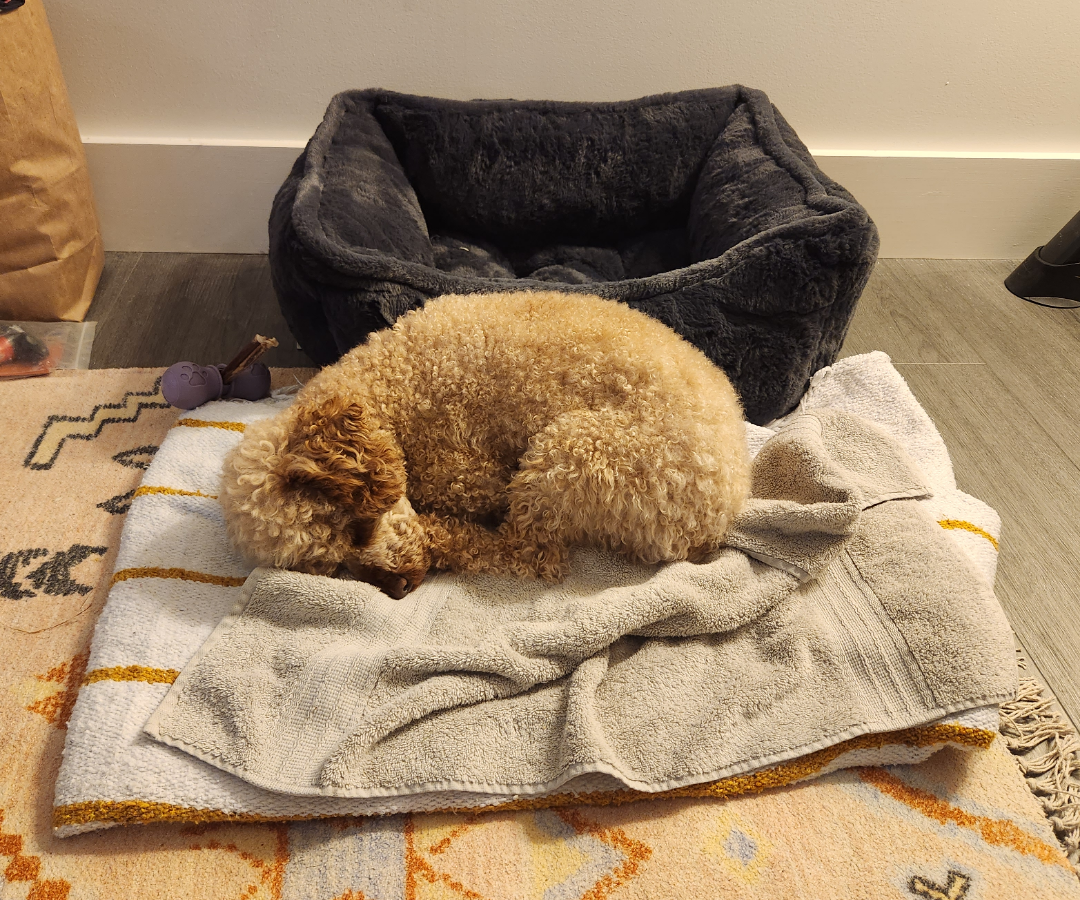
As a dog owner, I was once deeply troubled by a problem: My dog, Iron Hammer, had suddenly become incredibly protective of his kennel. Whenever I approached his kennel, he would let out a deep growl and even bare his teeth. The warm little home I had carefully chosen for him now felt like an unapproachable fortress. I was confused and heartbroken. Why had he become like this?
After consulting with pet behavior experts and conducting in-depth research, I realized that there are two distinct psychological motivations behind this behavior: a strong sense of territoriality or deep-seated psychological trauma. Understanding these two factors is key to solving the problem.
Territorial awareness: When a self-confident “bull” asserts his sovereignty
My dog, “Iron Hammer,” exemplifies the first scenario. He’s an adult male with a confident and assertive personality. I’ve noticed that whenever other pets or strangers approach his kennel, he barks to drive them away. When he finds this behavior effective, his confidence is greatly boosted. Over time, he’s become convinced that his kennel is his exclusive territory, and no one else can intrude.
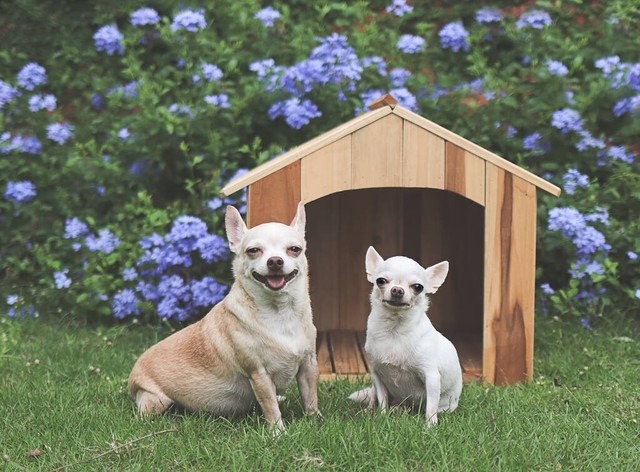
The key to resolving this situation is to disrupt his perception of “success .” This may sound like engaging in psychological warfare with your dog, but it’s actually quite simple.
Step 1: Overwhelm him : When you approach his kennel, you need to appear more relaxed and confident than he is. Put a leash on him and slowly approach his kennel.
Step 2: Play the “mental game” : If your dog starts growling or acting aggressively, don’t back down. Firmly pull him out of the kennel and sit in his place. Let him know that he doesn’t have the final say in this space.
Step 3: Reward the correct behavior : When your dog calms down and stops the aggressive behavior, immediately reward it with treats or praise. This process may need to be repeated several times, but eventually, your dog will understand that “guarding the nest” does not get any benefits, and obedience and calmness are the rewards.
Psychological trauma: When the kennel becomes the only safe haven
If your dog is sensitive, or has a history of abuse or abandonment, then the doghouse-guarding behavior may stem from its insecurity. For it, the doghouse is the only safe haven that can provide a sense of security.
This behavior often stems from negative associations . For example, if a dog hides in its kennel when punished, and notices that the owner stops scolding it once it enters the kennel, it will begin to equate the kennel with “safety.” To protect this hard-earned sense of security, it may become hypersensitive and aggressive.
To solve this situation, what is needed is patience and “desensitization training”.
Rebuilding trust : Place your dog near the kennel and try making some “threatening” movements around the kennel, such as waving or patting the kennel. At first, it may act nervous or even attack you.
Adjust your dog’s mood and reward him promptly : When your dog displays aggressive behavior, soothe him with a gentle voice. Once he calms down, even for a moment, reward him immediately. This will help him establish a new association: even in what he considers a “dangerous” environment, he can be rewarded for remaining calm.
Practice repeatedly : This process needs to be repeated until your dog no longer associates the kennel with a threat, but instead sees it as a loving and safe space that he shares with you.

Conclusion and reflection: Understanding their inner thoughts is the starting point for solving problems
There’s a deeper reason behind every dog’s behavior. Whether it’s driven by a strong sense of territory or deep-seated psychological trauma, their “den-guarding” behavior is their attempt to communicate with us.
As dog owners, our responsibility isn’t just to provide a warm kennel. We also need to understand their hearts and empathize with their fears and insecurities. With proper training and patience, we can help them overcome these obstacles and rebuild a healthy, trusting relationship. Has your dog ever engaged in similar “kennel-guarding” behavior? How did you handle it? Share your story in the comments!