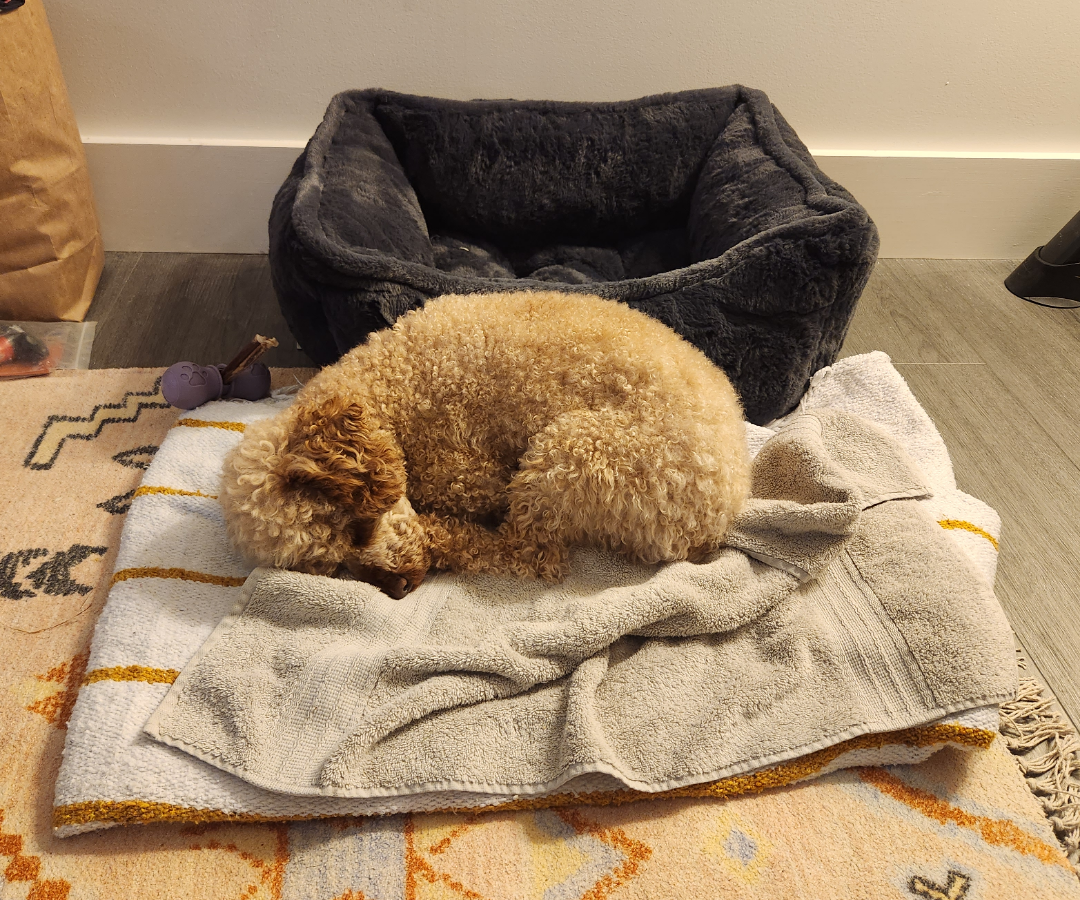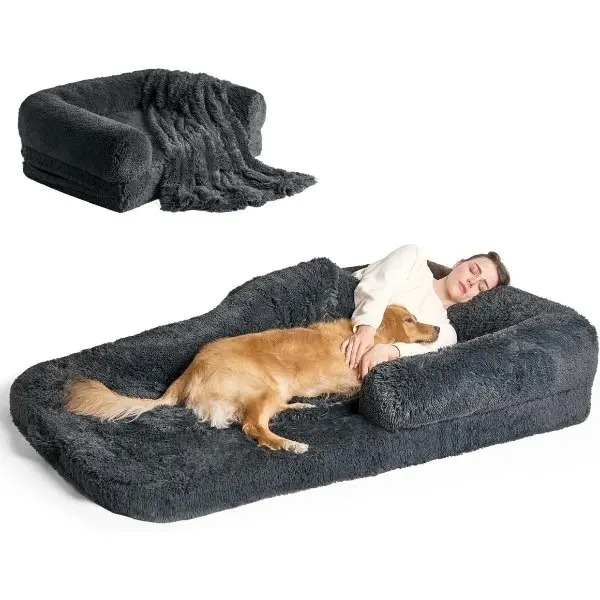
As a new pet owner, I thought choosing a dog bed was a simple task. My first visit to a pet store, I was mesmerized by all the adorable dog beds: fluffy donut-shaped beds, soft memory foam beds, even little tents! I thought, “Just buy any one, and he’ll definitely like it!”
Reality struck me as a resounding slap in the face. He wouldn’t sleep in the bed I’d carefully chosen! He’d either lie on the cold floor or simply occupy my bed. I realized then that choosing a dog bed is far more complicated than I’d imagined. An unsuitable bed is not only a waste of money, but could also affect his sleep and health.
After a period of exploration and observation, I finally found the right way to choose a dog bed for my dog. Today, I want to share my “blood and tears” experience, hoping to help you avoid the pitfalls I stepped on.
Let’s get this straight first: Does your dog really need a kennel?
This may sound silly, but it is the most important step. My friend’s dog is a “floor party”. No matter how expensive the dog bed is, it will just lie on the tiles.
Therefore, before placing an order, you must first observe your dog’s habits:
Does it like to curl up in a corner or on the couch?
Does it always find a fixed place to sleep?
Does it make a “nest” on its own using a blanket or mat?
If the answer is yes, then a suitable doghouse can definitely give it a sense of security and comfort.
Putting aside appearance, I only look at these 3 “hard indicators”
After trying various dog beds for my dog, I compiled my own “kennel selection checklist”. I found that the key to whether a dog bed is good or not does not lie in its appearance, but in the following aspects:
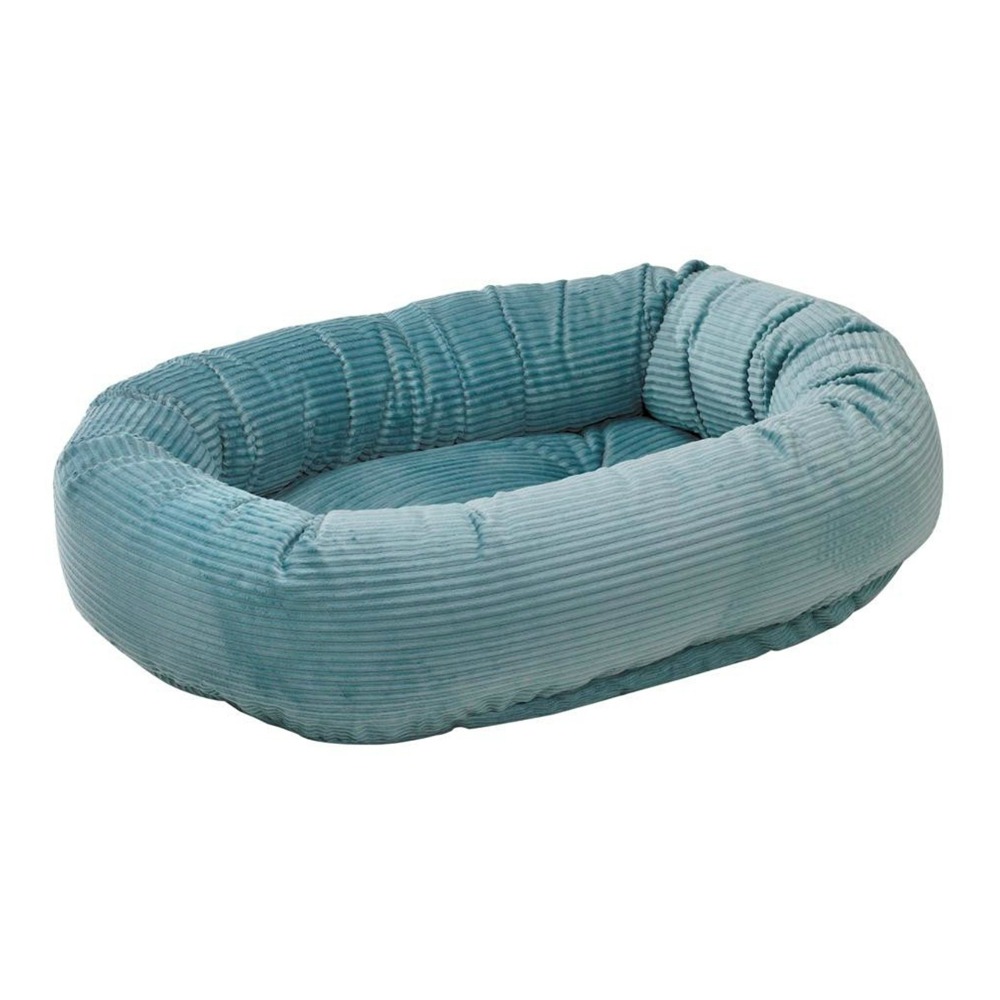
Your dog’s age and health : I initially bought a very soft bed for my puppy, but a friend later warned me that this could affect their spinal development. Therefore, if you have a puppy or an older dog, it’s best to choose a bed that’s supportive and not too soft. If your dog has skeletal issues, such as patellar luxation, a memory foam bed would be a better choice.
How destructive is it? My dog loves to dig, and a standard dog bed is quickly ripped apart. So I looked for something made of a sturdier material. If your dog is a chewer, choose a durable material like Oxford cloth or canvas, and one with a hidden zipper or no zipper, as it can easily be chewed through.
How do you wash it? My first dog bed was so big and thick it couldn’t fit in the washing machine, and washing it by hand was incredibly tiring. So now I only buy removable, washable ones that can be thrown directly into the washing machine, saving time and effort. Of course, if you’re like another friend of mine and have a good budget and just want to throw it away when it gets dirty, forget what I said.
Nest selection is a process of trial and error
Choosing a dog bed is like falling in love; it takes time to adjust. You may need to try different materials, shapes, and sizes before you find your dog’s true love.
I suggest you start with a small, washable dog bed and observe how your dog likes to sleep: curled up or on his back? Does he like to lean against something or in an open area? These details will tell you what he really needs.
Ultimately, what we are pursuing is not a perfect doghouse, but a perfect solution that allows your dog to sleep soundly and gives you peace of mind.
Conclusion: For its happiness and your peace of mind
A suitable doghouse is not just a gift for your dog, but also a token of our careful care for it. I hope my experience can help you find the perfect doghouse and give your furry friend a happy little world of his own.
So, do you have any tips for choosing a litter box for your dog? Share your experiences in the comments!