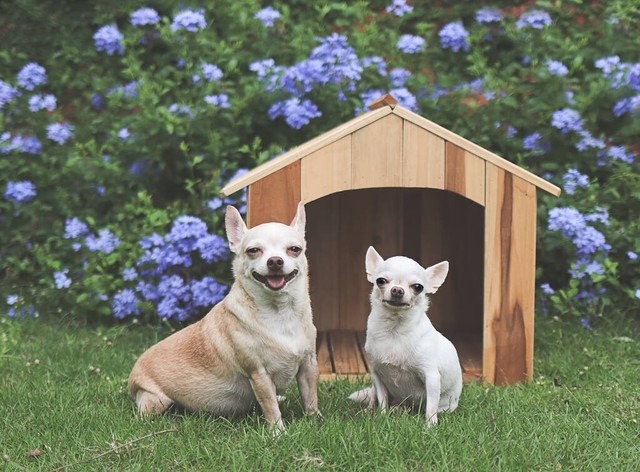
When you first bring your puppy home, you probably already have snacks, toys, and dog food ready. But have you ever thought about choosing a nest where they can rest and recharge each day? With so many dog nests on the market, from adorable donut-shaped ones to sturdy waterproof mats, which one is best for your furry friend?
You might think it’s a simple choice, but in reality, an inappropriate dog bed can cause discomfort, affect your dog’s sleep quality, and even lead to behavioral problems. As a new dog owner who has also experienced “choice dilemma syndrome,” I’ll share some practical tips to help you find the perfect “snack” for your furry friend.

Step 1: Observe your child’s sleeping style
Before you spend any money, you need to be a detective and observe your dog’s sleeping habits. Does he really need a dog bed? Some dogs naturally prefer to sleep directly on the floor or nap next to your bed. This may be because they find the bed too warm or simply don’t like the feeling of being “framed”.
If your dog shows indifference or even rejection of any type of dog bed, then spending money on one might be a waste. On the other hand, if he always circles in one place or likes to curl up on a soft blanket, then a cozy dog bed might be just what he needs.
Step 2: Choose according to the dog’s physical condition
Dogs of different ages and physical conditions have very different needs for their kennels. This is an area that requires you to consider carefully, just like you would treat your own family.
Puppies and senior dogs : Dogs in these two age groups typically have more fragile bones. A kennel that’s too soft , such as one with excessively fluffy filling, can lack support for their bones, impacting spinal health over time. Also, avoid kennels that are too high to prevent them from jumping up and down when entering and exiting, putting unnecessary stress on their joints.
Dogs with skeletal issues : If your dog has spinal issues or patellar luxation , a hard bed may cause them pain. They need a supportive mattress that evenly distributes pressure and protects their joints and spine. Choose a memory foam bed or one with a specially designed support system.
Step 3: Consider the dog’s “destructive power”
If your dog likes to scratch or chew, the material and design of the doghouse become crucial.
Paw destroyers : Most dog bed materials can withstand light scratching. But if your dog is a serious digger, you may want to choose a more durable, sturdy material, such as high-strength Oxford cloth or canvas.
Chewing Experts : Chewing is more destructive than scratching. If your dog enjoys chewing, a standard dog bed might quickly become obsolete. Look for a dog bed designed to be chew-resistant . Pay special attention to zippers ; if your dog enjoys chewing on them, opt for a model with a hidden zipper or one without .
Step 4: Consider Your Cleaning Habits
How often do you clean your dog’s bed? And how do you clean it? It sounds trivial, but it is a key factor in determining your subsequent use experience.
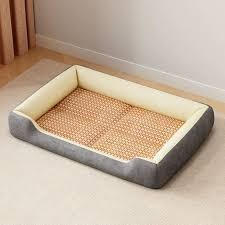
Hand or machine wash : If you plan to wash your dog bed in a washing machine, choosing a removable and washable dog bed will save you a lot of time. Heavy models can be difficult to wash by hand. If you have limited space in your washing machine or don’t want your dog’s hair mixed with your laundry, you may want to consider a dog bed that can be wiped down with a damp cloth or is waterproof .
“Disposable” options : If your budget allows, or you simply don’t want to spend time cleaning, you can also choose some cheap but non-washable dog beds. When they get dirty, you just throw them away and replace them with a new one.
Step 5: Don’t rush, this is a gradual process
Choosing a kennel for your dog isn’t a one-time task. It requires time and observation to understand your dog’s true needs. As he grows and his lifestyle changes, his preferences for the kennel may also change.
Conclusion: The perfect doghouse is a home for you and your dog.
A suitable doghouse is more than just a place to sleep; it’s a haven for your dog at home, a private space where he feels safe and comfortable. Hopefully, through these suggestions, you can better understand your furry friend and create a little world that truly belongs to him.
Now, are you more confident about choosing a dog bed for your dog? If you have any exclusive tips or experience with failure, please share them in the comments section. Let’s create a better life for dogs together!